
Why Chemical-Free Odor Removal Is Safer for Your Family and Pets
By Paul Landry • September 28, 2026
How enzyme-based fogging eliminates smoke, pet, and musty odors at the source — without the harsh chemicals used by big-name restoration chains
Stubborn odors — smoke, pet accidents, musty basement smells — are frustrating precisely because they seem to come back no matter how much you scrub, spray, or light a candle. That's because most air fresheners and many commercial odor treatments only mask the smell temporarily. They don't address what's actually causing it, and some rely on chemical compounds that trade one indoor air quality concern for another.
There's a better way, and it's one reason Moldless Environments takes a different approach than the big national chains: chemical-free, enzyme-based odor elimination that targets the source of the smell rather than covering it up.
Why Masking an Odor Isn't the Same as Removing It
Odors come from organic material — smoke residue, pet dander and urine compounds, mold and mildew, bacteria — that has settled into porous surfaces like carpet, drywall, upholstery, and even wood framing. Spraying a fragrance over that doesn't remove the source material; it just adds another scent on top, which is why the original odor tends to resurface, especially in humid weather or when the space heats up.
Some traditional odor-removal products go a step further and use harsh chemical agents to try to break down odor-causing material. These can be effective, but they come with trade-offs: strong fumes, the need to keep pets and children out of treated areas for extended periods, and residues that some households would rather avoid entirely.
How Enzyme-Based Fogging Works
Enzyme-based fogging uses naturally occurring enzymes to break down the actual organic material causing an odor — not cover it up. The process works by:
- Identifying the source. Before treatment, we pinpoint where odor-causing material has settled, whether that's carpet padding, wall cavities, or HVAC systems.
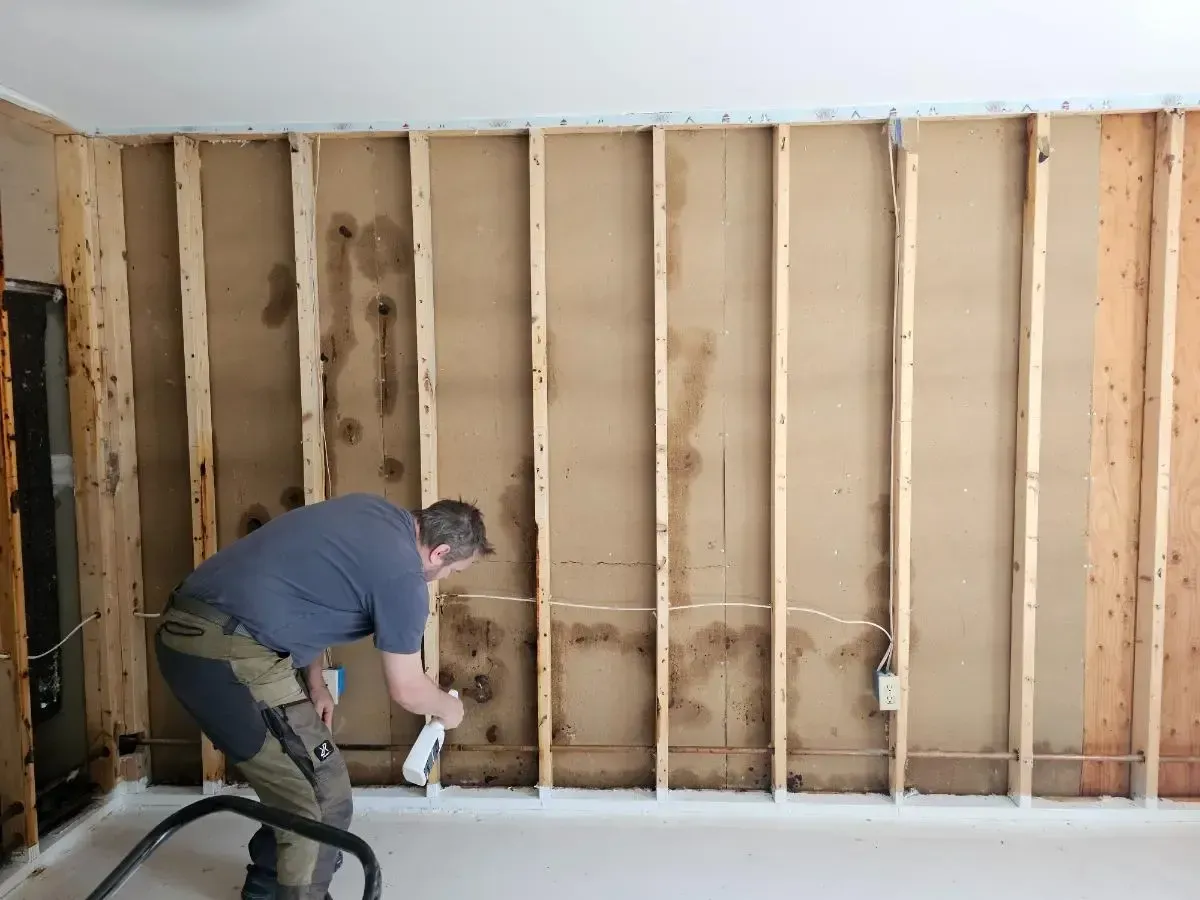
- Applying enzyme-based fogging. A fine fog carries enzyme solution into fabrics, carpets, and hard-to-reach areas like wall voids and ductwork, reaching places surface cleaning can't.
- Breaking down organic compounds. The enzymes work by digesting the organic material responsible for the smell — smoke residue, pet dander, bacteria, mildew — rather than simply masking it.
- Leaving no harsh residue. Because the process doesn't rely on synthetic chemical agents, there's no strong chemical smell left behind and no lengthy re-entry wait for the household.
The result is odor elimination at the source, not a temporary cover-up that fades in a few days.
What Enzyme-Based Fogging Can Treat
- Smoke odor — from cooking accidents, small fires, or long-term smoking in a home, including odor that has settled into walls and HVAC systems
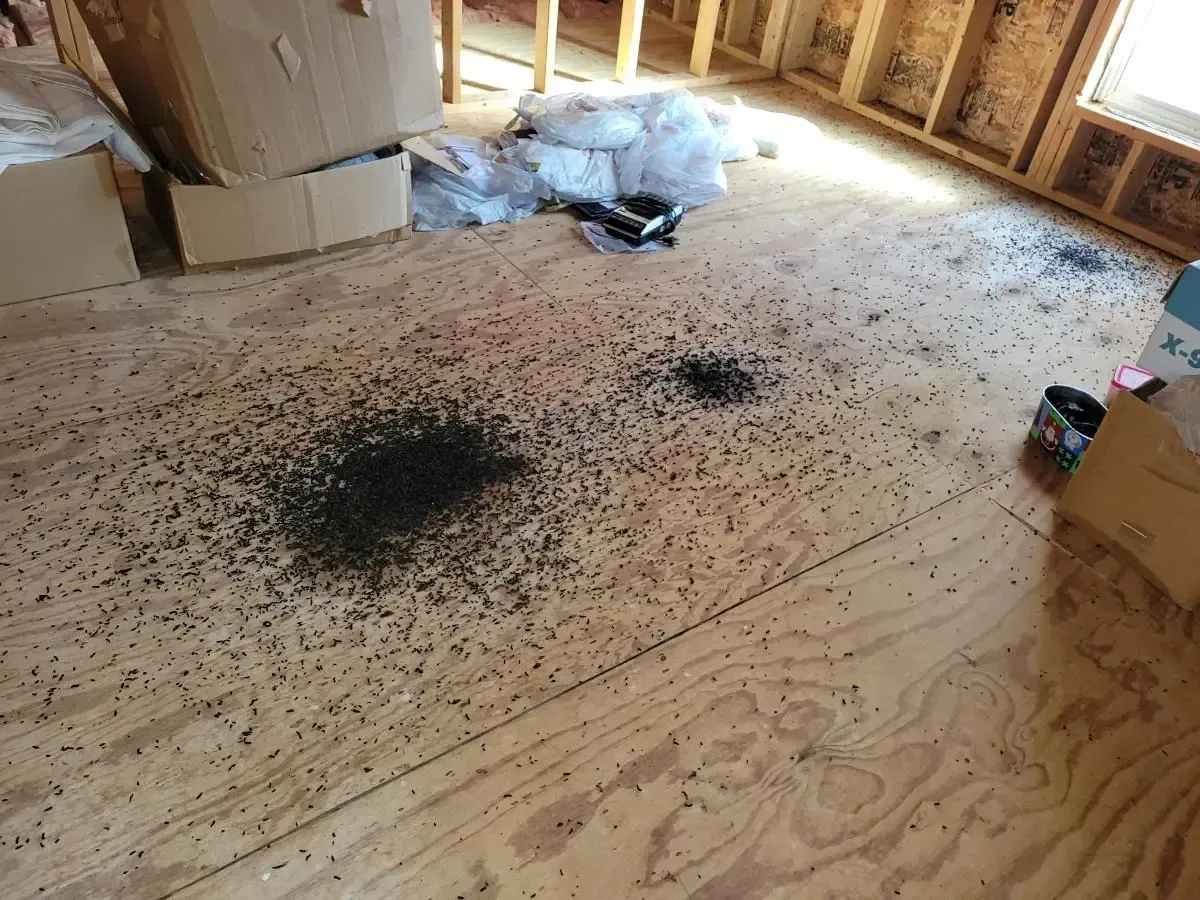
- Pet odor — urine, dander, and general pet smell that has worked its way into carpet, padding, and subflooring
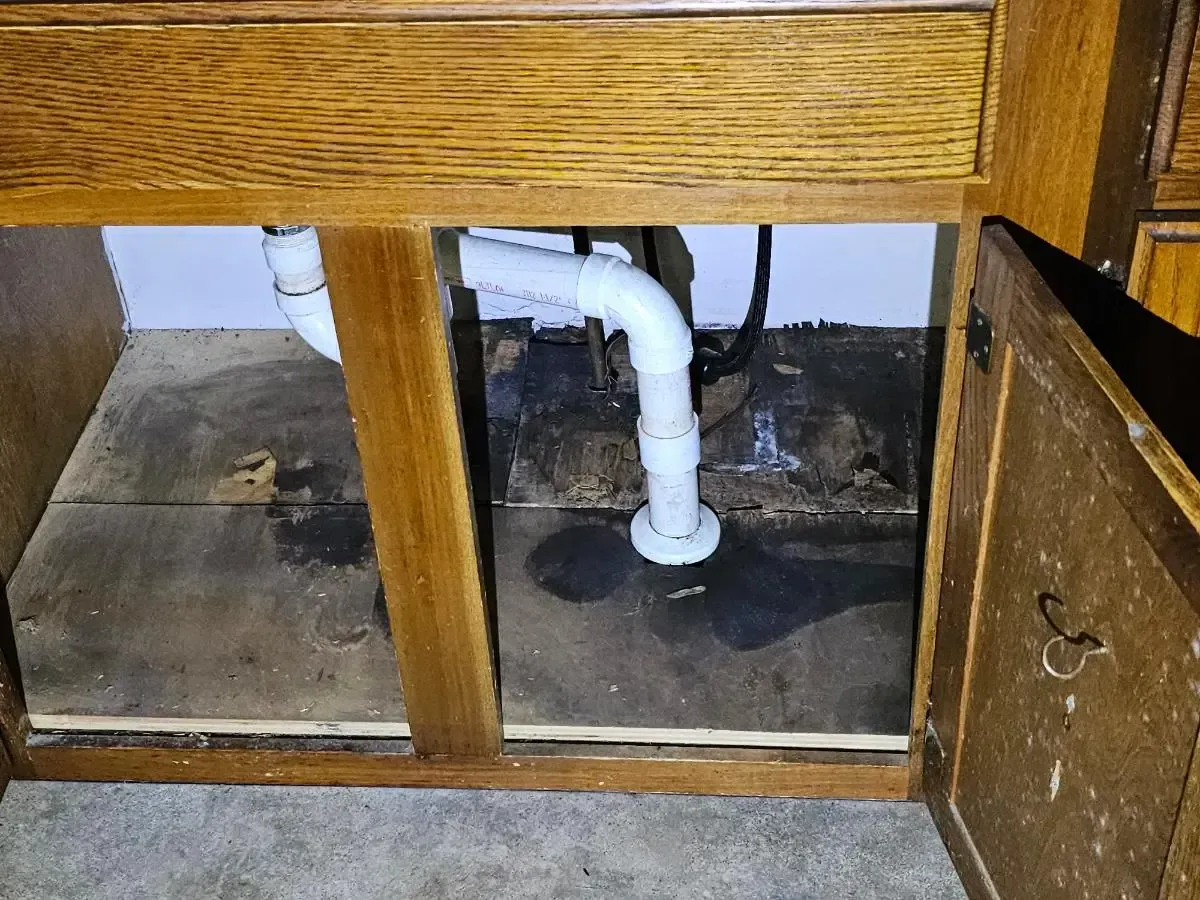
- Musty and mildew odors — often linked to the same moisture issues that can lead to mold growth
- General bacterial odors — lingering smells that don't have an obvious visible source
If you're also seeing signs of moisture damage alongside the odor, it's worth having it evaluated at the same time—odor and mold issues often share a root cause.
Why This Matters for Families and Pet Owners
Choosing a chemical-free method isn't just a preference — for many households, it's a priority. Families with young children, people with respiratory sensitivities, and pet owners understandably want to avoid introducing harsh chemical agents into the spaces where their kids and animals spend the most time.
Moldless Environments was built around exactly this kind of thinking. Owner Rich Ferguson started the company with a straightforward goal: provide smart, effective, budget-conscious solutions for local homeowners, without resorting to the more aggressive (and often more expensive) methods used by big-name restoration chains. Enzyme-based fogging fits that philosophy — a genuinely effective solution that's also safe for the people and pets who live in the home being treated.
What to Expect From an Odor Elimination Visit
Every job starts with identifying the actual source of the odor, not just treating the room where it's strongest. From there, we determine whether enzyme-based fogging alone will resolve the issue or whether it's connected to a moisture or mold problem that also needs to be addressed. You'll get a clear, honest explanation of what we find and what it will take to fix it — no upselling, no unnecessary treatments.
FAQ
Is enzyme-based fogging safe for pets and children?
Yes. Because the process uses naturally occurring enzymes rather than harsh chemical agents, no extended re-entry period is required, and no strong chemical residue is left behind in the treated space.
How is enzyme-based fogging different from an air freshener or ozone treatment?
Air fresheners mask odors temporarily without addressing the source. Ozone treatments can be effective but typically require the space to be vacated during treatment and raise their own air-quality considerations. Enzyme-based fogging breaks down the actual odor-causing material and doesn't require the same precautions.
Will the smell come back after treatment?
Because enzyme-based fogging targets the organic material causing the odor rather than masking it, results are typically longer-lasting than fragrance-based treatments. If an odor returns, it often indicates an ongoing moisture or contamination source that needs separate attention.
Can this treatment help with musty basement smells too?
Yes, enzyme-based fogging is effective on musty and mildew odors. If the smell is linked to an active moisture issue, we'll also flag that so it can be addressed at the source.
How long does an odor elimination treatment take?
Most residential treatments can be completed in a single visit, though timing depends on the size of the affected area and whether additional moisture-related work is needed.
We Can Help!
How Can We Help?
Fill Out the Form Below.
We will contact you
Contact Us
We will get back to you as soon as possible.
Please try again later.
SHARE THIS
Latest Posts