
Fall Home Prep: How to Stop Water Intrusion Before Winter Hits
By Paul Landry • August 31, 2026
Simple checks Southern Maine and Seacoast NH homeowners can do now to prevent the moisture problems that lead to mold once the cold sets in.
Fall in Maine and New Hampshire is short, and it's easy to let home maintenance slide while you're busy raking leaves and getting ready for the holidays. But the weeks before the first hard freeze are exactly when a little water-intrusion prevention pays off most. Every gap, clogged gutter, or crack you leave unaddressed now becomes an entry point for water once winter's freeze-thaw cycles get to work — and where water gets in, mold usually isn't far behind.
The good news: most winter water intrusion is preventable with a few hours of fall checks. Here's what to look at before the temperature drops.
Why Fall Is the Critical Window
Water intrusion problems in Maine and NH homes rarely start in the dead of winter. They start in fall, when:
- Fallen leaves clog gutters and downspouts, causing water to overflow and pool near the foundation
- Ground saturation from fall rains has nowhere to drain if grading or drainage is off
- Small foundation cracks that were fine all summer start letting in water as the ground shifts
- Anything left unaddressed gets sealed in by frozen ground and snow cover for months
Once winter arrives, small problems become much harder — and more expensive — to fix. A cracked foundation seal you could patch in October becomes a source of ice damming and interior water damage by February.
Your Fall Water Intrusion Checklist
1. Clean and Inspect Gutters and Downspouts
Clogged gutters are one of the most common causes of water intrusion. Clear out leaves and debris, then check that downspouts direct water at least 4-6 feet away from your foundation. If water is pooling near the base of downspouts, consider an extension.
2. Check Your Foundation for Cracks
Walk the perimeter of your home and look closely at the foundation, especially near window wells and where the foundation meets the siding. Small cracks that seem harmless in fall can widen with freeze-thaw cycles and let in significant water by spring.
3. Confirm Proper Grading
The ground around your home should slope away from the foundation, not toward it. If you notice standing water near your foundation after a rainstorm, discuss regrading or adding a French drain with a professional before winter.
4. Inspect Roofing and Flashing
Look for missing, cracked, or curling shingles, and check flashing around chimneys, vents, and skylights. These are common points where water sneaks in during winter storms — and where ice dams tend to form if heat loss from the attic melts snow unevenly.
5. Seal Gaps Around Windows and Doors
Run a hand along window and door frames to feel for drafts, which often indicate gaps that also let in moisture. Caulking and weatherstripping are inexpensive, quick fixes that pay off all winter long.
6. Check Basement and Crawl Space Ventilation
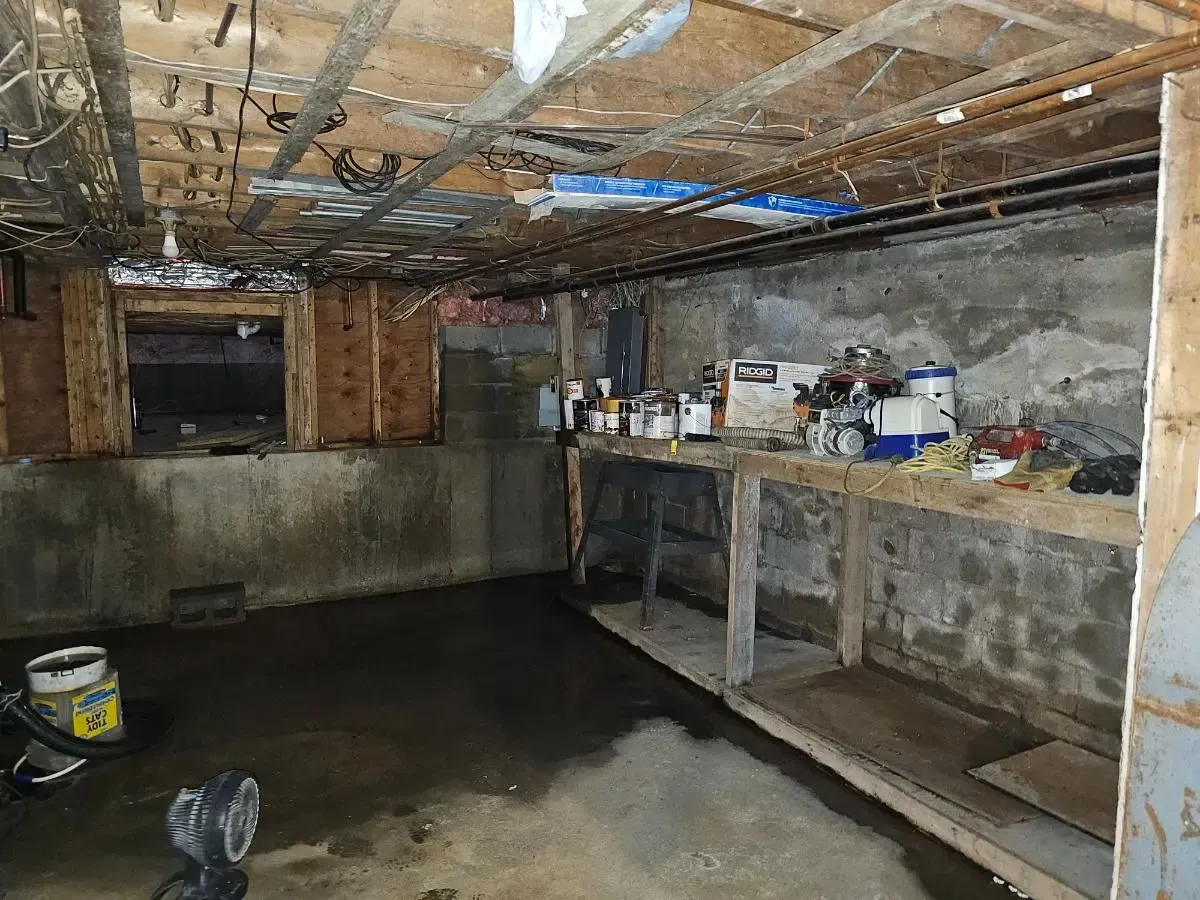
Basements and crawl spaces need a balance of ventilation and insulation to avoid trapped moisture. If your basement already smells musty or feels damp, it's worth investigating now—not waiting until spring thaw makes it worse.
7. Test Your Sump Pump
If you have a sump pump, don't wait for the first snowmelt to find out it's not working. Pour a bucket of water into the pit to confirm it kicks on and drains properly, and check that the discharge line isn't blocked or prone to freezing.
Why This Matters for Mold Prevention
Water intrusion and mold go hand in hand. Even small, slow leaks — the kind that don't cause visible damage right away — create the exact moisture conditions mold needs to establish itself behind walls, under flooring, or in insulation. By the time you notice a musty smell or discoloration months later, the water intrusion issue may have been quietly at work since October.
That's why fall prep isn't just about protecting your home's structure — it's one of the most effective, lowest-cost ways to prevent a mold problem before it starts.
When to Call a Professional
Some of this checklist is a weekend project. Others — foundation cracks, grading issues, recurring basement dampness, or signs of an existing leak — are worth a professional evaluation. Moldless Environments offers water intrusion abatement services designed specifically for Southern Maine and Seacoast NH homes, identifying and addressing the moisture sources before they become a mold or structural issue. As a local, owner-operated company, we take a smart, budget-conscious approach rather than pushing unnecessary work — just an honest assessment of what your home actually needs before winter.
FAQ
How often should I check my gutters in the fall?
In most of Southern Maine and the NH Seacoast, checking gutters twice in the fall — once after the first major leaf drop and again before the first hard freeze — is a good rule of thumb, especially if you have trees near your home.
What's the difference between water intrusion and a flood?
Water intrusion typically refers to slow, ongoing moisture entry through small gaps, cracks, or poor drainage, rather than a sudden, large-volume event like a flood. It's often less obvious but can cause just as much long-term damage, particularly mold growth.
Can I prevent ice dams with fall maintenance?
Yes, in large part. Ice dams typically form when attic heat loss melts roof snow unevenly, which then refreezes at the colder eaves. Proper attic insulation and ventilation checked in the fall significantly reduce the risk.
My basement smells musty but I don't see water — should I still be concerned?
Yes. A musty smell often precedes visible water damage or mold growth. It's worth having the source investigated before winter locks in moisture and makes the problem harder to trace.
How do I know if my foundation cracks need professional attention?
Hairline cracks are common and often cosmetic, but cracks wider than 1/8 inch, that are actively leaking, or that seem to be growing should be evaluated by a professional before winter.
We Can Help!
How Can We Help?
Fill Out the Form Below.
We will contact you
Contact Us
We will get back to you as soon as possible.
Please try again later.
SHARE THIS
Latest Posts